06Why Things Fail
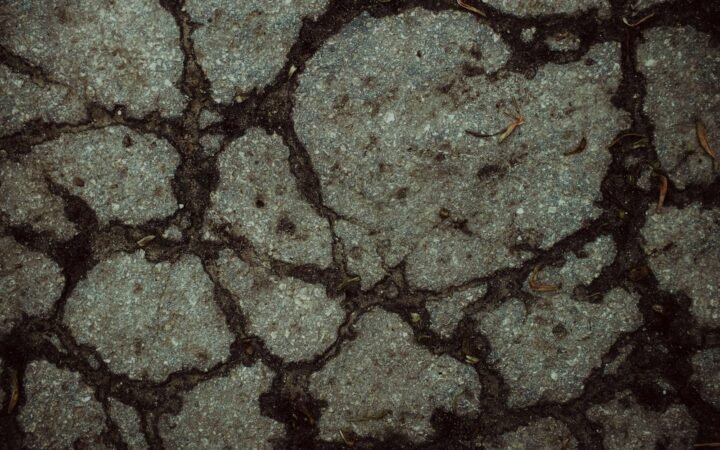
Why Do Potholes Form After Winter?
Potholes need cracks, water and traffic. Here is how water weakens the layers under a road, why freezing water widens cracks, and why patched…
Science · Engineering · Materials
The Hidden Layer explains how everyday objects and technologies work, why they behave the way they do, how they are made, and why they sometimes fail. Every article cites the sources it relies on.
Six layers of everyday science
How locks, latches, bearings, valves, sensors and other everyday mechanisms actually move, hold and respond. Each explanation follows the parts and forces…
5 articles → 02Why glass, steel, rubber, plastics and ceramics behave the way they do, and where their limits are. We look at structure at…
3 articles → 03Heat, friction, surface tension, buoyancy and static charge, explained through the objects and moments where you actually meet them.
4 articles → 04How ordinary products are made at industrial scale: the machines, process steps and quality controls behind cans, glass, moulded plastics and coatings.
3 articles → 05The systems that work out of sight: wireless charging, RFID, NFC, touchscreens, batteries and codes. What is happening between the device and…
5 articles → 06Corrosion, cracking, fatigue, bond failure and capacity loss. The conditions and chemistry that cause materials and products to fail, and what slows…
4 articles →New and updated
06Why Things Fail
Potholes need cracks, water and traffic. Here is how water weakens the layers under a road, why freezing water widens cracks, and why patched…

04Manufacturing Secrets
Almost every window starts as molten glass floating on a bath of liquid tin. Here is how the float process makes glass so flat,…

01Hidden Mechanics
A key works by lining up tiny spring-loaded pins at one exact gap. Here is how a pin tumbler lock decides which key turns,…
06Why Things Fail
Glue that grips wood and metal can peel off a plastic tub. Surface energy, contamination, migrating additives and joint design explain why some bonds…

01Hidden Mechanics
A magnetic catch holds a cupboard door with a small magnet, two steel plates and a strike plate. Here is how the magnetic circuit…

05Invisible Technology
An induction hob heats the pan, not the glass. Here is how a rapidly alternating magnetic field drives currents inside steel cookware and why…
How we work
Articles list the references they rely on, favouring universities, standards bodies, government science agencies and manufacturer documentation.
We explain the underlying principle, then the limits and exceptions, so you understand when an explanation stops applying.
If something is wrong, we correct it and note the change. Read our editorial policy.